
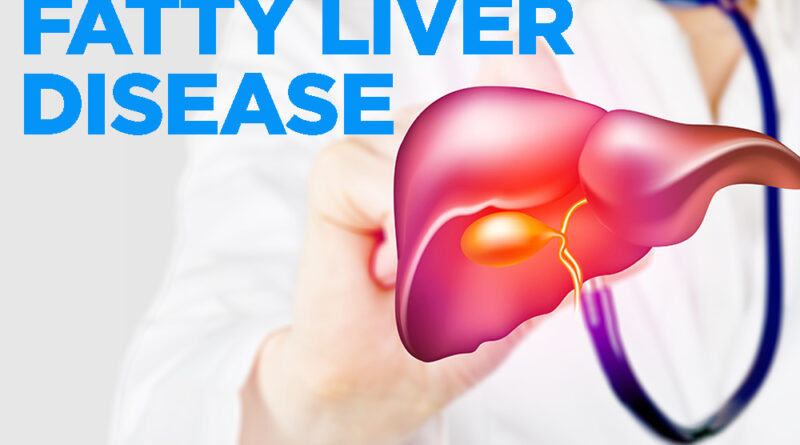
Grant for Fatty Liver Disease Intervention
Obesity and the health implications have become a major focus of concern in the United States. Increasing rates of obesity have risen at an alarming rate. The rate of obesity among adults is around 40%. According to a Harvard study, 1/3 of all Americans are obese. In 2018, the rate of childhood obesity was almost 20% for ages 2-19. Because of these numbers there are serious health implications. One being the rising rate of childhood obesity caused by non-alcoholic fatty liver disease.
Non-alcoholic fatty liver disease can refer to a wide range of liver diseases including:
- Simple fat infiltration
- Non-alcoholic steatohepatitis,
- NASH
- Fibrosis
- Cirrhosis.
This rise is alarming because 20% of patients who develop NASH will experience cirrhosis and liver failure. As well, patients with NAFLD universally have hepatic insulin resistance, putting them at risk for developing type two diabetes. It’s wonderful to see that a researcher and assistant professor at the University of Alabama has received a grant to implement a family-based diet as an intervention for fatty liver disease.
But before we talk about this story more, there is a grant available to promote nutrition and prevent childhood obesity for Texas Public Schools.
Can Fatty Liver Disease Be Treated With Diet?
Here’s the thing, there is actually no pharmacological treatment for hepatic insulin resistance. Hepatic insulin resistance refers to impaired suppression of glucose production by insulin in hepatocytes. Recommendations by the NAFLD for adults and adolescents include limiting highly caloric foods. However, there is research to suggest that moderate carbohydrate restriction helps improve insulin sensitivity (the opposite of insulin resistance). This is where this grant funding comes in.
Amy Goss PH.D. is an assistant professor at the University of Alabama at Birmingham’s Department of Nutrition Sciences. They have been awarded a grant to explore this disease. The grant was awarded by the National Institute for Health’s National Institute of Diabetes and Digestive and Kidney Diseases.
Where Will the Funding Go?
The pilot study conducted through the University of Alabama at Birmingham’s Department of Nutrition Sciences was the basis for this grant funding. And now this funding will help fund a randomized controlled trial. The trial will examine the impacts of a moderately carbohydrate-restricted diet vs a fat-restricted diet on hepatic lipid content.
“Our pilot study in 23 adolescents with NAFLD suggests that a weight-maintaining, low-glycemic, moderately carbohydrate-restricted diet significantly improved both hepatic steatosis and hepatic insulin sensitivity.”
According to Goss, magnetic resonance imaging and spectroscopy will assess the results. This will start with a 12-week feeding phase. And followed by a 12-week free-living phase in adolescents who have non-alcoholic fatty liver disease. All families involved in this study will receive 12 weeks of groceries. This study will show how diet plays a serious role in treating and preventing the emergence of NAFLD in adolescents.
GrantWatch Is Excited To Hear About This Research Being Conducted
This is the kind of research I wish I could write about all day. The impact something like this will have on the health of our population could be impressive. Diet-based interventions could actually increase the number of families who could receive care. Consequently, reducing obesity among both adults and children impacts public health. The healthcare costs associated with obesity-related health issues stand around $150 billion in the United States every year. More and more research like this could help.
Discover grants for nutrition on grant listing databases such as GrantWatch.com For more information, you can also visit the GrantWatch FAQ page. We wish you the best of luck with your grant-seeking!
About GrantWatch
A trusted resource since 2010. For more than 16 years, GrantWatch has helped nonprofits, small businesses, schools, government agencies, and individuals discover funding opportunities and navigate the grant process with confidence. Thousands of organizations rely on GrantWatch's extensive database of verified grants and funding resources to identify opportunities and secure support for meaningful projects.
Today, GrantWatch supports organizations across the full grant lifecycle through a single, streamlined platform. In addition to access to more than 11,000 active, verified, and human-curated grant opportunities, the platform includes a centralized Dashboard that serves as the command center for the GrantWatch Full Grant Lifecycle Platform, giving users a centralized view of opportunities, deadlines, research, and workflow activity across the 12-stage Grant Pipeline. Users also benefit from integrated tools including the AI Grant Finder, AI Grant Writing Tool, My Grant Calendar, Grant Alerts, Foundation Search, and Awarded Grant Search, helping move funding efforts from discovery to award and measurable impact.
GrantWatch, founded by Libby Hikind, is the author of The Queen of Grants series, including The Queen of Grants series: The Queen of Grants: From Teacher to Grant Writer to CEO and The Queen of Grants 2: GrantTalk Secrets for the New Era of Writing. Drawing on decades of experience in the grants industry, GrantWatch was created to simplify how organizations discover, evaluate, and pursue funding opportunities.
