
Grant-Seeking Strategies: The Value of Researching Grant Funders
Effective grant-seeking strategies start long before you write your application; they begin with research. Understanding who your potential funders are, what they care about, and how their priorities align with your mission can make all the difference between success and rejection.
GrantWatch is here to help with expert advice and tools for nonprofits, small businesses, and individual grant seekers who need to find funders whose goals truly match their projects. With thousands of current grant opportunities and detailed listings, it’s an invaluable resource for narrowing your search and focusing your efforts on funders most likely to support your cause.
So, before you write a single word of your proposal, it’s worth spending time researching your prospective grant funders. Let’s look at why that step is essential and how it can significantly increase your chances of winning grant awards.
Grant-Seeking Strategies: Why Funder Research Matters
Not all grants are created equal and not every funder is the right fit for your project. By taking time to research potential funders, you can tailor your proposal to align with their mission, funding priorities, and eligibility requirements. This increases your chances of success while saving time and effort on applications that may not match your organization’s goals.
Think of it this way: Funders want to invest in causes that reflect their values. When you show that your project aligns with their vision, you stand out as a thoughtful, strategic applicant.
Before applying for funding, it’s important to know what kind of grant-seeker you are. The grants available to you often depend on your organizational type and goals.
- Nonprofits often seek funding for community programs, education initiatives, mental health services, housing, or access to healthcare. These organizations frequently apply for grants supporting program expansion, staffing, and outreach.
- Businesses, particularly small businesses and startups, may qualify for grants focused on innovation, sustainability, or economic development. Many programs fund technology upgrades, workforce development, or green energy initiatives that promote local job growth.
- Individuals, including educators, artists, and entrepreneurs, can also apply for grants. Opportunities may include creative fellowships, professional development programs, or educational funding for specific projects or research goals.
Study Funder’s Mission, Guidelines, and Grant Cycles
Once you identify a promising grant, dig deeper into the funder’s background. Visit their official website, read their mission statement, and review the projects they’ve previously supported. This helps you learn what they value most and how your project fits into their vision.
To make the most of your research, focus on three essential steps:
- Start with Their Mission Statement
Review the funder’s mission and values on their website. This tells you what causes they prioritize and whether your project aligns with their mission. - Review Their Application Guidelines
Each funder has unique instructions, timelines, and expectations. Note what documents are required (budget, narrative, financials) and plan ahead to meet deadlines. - Understand the Funding Cycle
Align your application with the grant-maker’s process. Learn when they typically open and close applications, how often they award grants, and how long it takes to hear back.
By reviewing this information, you can tailor your proposal to reflect the funder’s priorities and submit a well-timed, complete application that stands out.
Build Relationships with Funders
Research isn’t only about reading; it’s also about connecting. Building authentic relationships with funders can help your application stand out from the crowd. Funders want to know that applicants truly understand their mission and goals, and that takes communication beyond just submitting paperwork.
Here are a few ways to build those meaningful connections:
- Attend Webinars and Information Sessions
Many grantmakers host online events, workshops, or virtual Q&A sessions to explain their funding priorities. These are excellent opportunities to ask questions, gain insight into what they value most, and introduce yourself as a serious applicant. - Engage at Community or Industry Events
If the funder participates in conferences or local gatherings, take the time to meet them in person. Personal interactions can leave a lasting impression and help you better understand their approach to funding. - Send a Professional Inquiry
A polite, concise email can go a long way. If you’re uncertain about your eligibility or have questions about application requirements, reach out for clarification. This not only helps you prepare a stronger proposal but also demonstrates your professionalism and genuine interest in partnership. - Stay Connected After Applying
Even if your proposal isn’t selected, follow up respectfully. Thank the funder for the opportunity, ask for feedback, and stay informed about future grant cycles. Maintaining communication shows commitment and increases your chances in future rounds.
Building these connections takes time, but it’s a valuable investment. Funders often remember applicants who show initiative, curiosity, and a sincere desire to align with their mission—qualities that can make all the difference when funding decisions are made.
Adding GrantWatch to Your Grant-Seeking Strategies
Smart grant-seeking strategies start with research, and GrantWatch.com makes that process faster and more efficient. With thousands active grants, GrantWatch allows users to search by category, location, or funding type to match the perfect opportunities with their goals. Whether you’re looking for education, community development, or environmental funding, the platform helps you quickly pinpoint the most relevant options.
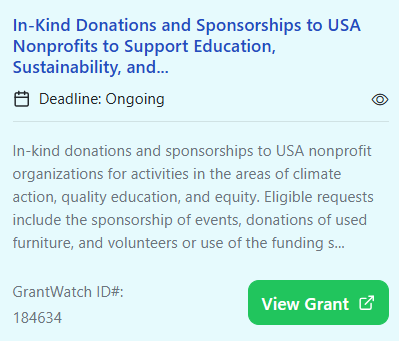
Each listing provides vital information, including eligibility, award amounts, and deadlines, so you can spend less time searching and more time applying. For example:
In-Kind Donations and Sponsorships to USA Nonprofits: This funding encourages strong partnerships with communities and organizations to expand impact and drive meaningful change. click here
In addition, GrantWatch offers powerful built-in features and AI-driven tools to keep your research organized and strategic:
- AI Grant Searching Tool – Use artificial intelligence to find grants that align precisely with your mission, focus area, and applicant type.
- My Grant Calendar – Track deadlines, set reminders, and manage submission timelines in one easy-to-navigate dashboard.
- AI Foundation Search – Explore foundations that align with your cause to expand your funding possibilities beyond traditional grants.
- AI Grant Recipient Search – Research which organizations have previously received funding, helping you tailor stronger, evidence-based proposals.
Combining these tools, you can build an efficient research and tracking system. Keep key details like application deadlines, funder contacts, and submission requirements all in one place.
Using GrantWatch strategically doesn’t just save time, it helps you stay ahead, stay organized, and stay ready to submit polished, competitive proposals that get noticed.ls.
In Summary
Effective grant writing begins long before you type the first word. It starts with careful research, thoughtful alignment, and strategic planning. Strong Grant-Seeking Strategies include understanding your potential funders and using trusted tools like GrantWatch. By taking time to research and align your goals, you’ll position your organization for greater success and long-term funding partnerships.
About GrantWatch
Libby Hikind, author of The Queen of Grants: From Teacher to Grant Writer to CEO, founded GrantWatch.com, the largest advanced grant search engine in the United States. The platform features over 11,500 active, verified, and human-curated grant opportunities in more than 61 funding categories. Additionally, it lists grants for nonprofits, grants for small businesses, grants for government agencies, and grants for Individuals.
GrantWatch also offers innovative funding tools like the AI Grant Writing Tool, AI Grant Searching Tool, and My Grant Calendar, making it easier to find grants, track deadlines, and draft proposals. Members can upgrade to MemberPlus+ for complete grant details, eligibility criteria, and application information. With 21 powerful features, live customer support, and weekly GrantTalk podcast episodes, GrantWatch is the go-to resource for finding grants and turning funding opportunities into awarded grants.
Libby is also the author of several children’s books and companion coloring books, available at libbyhikind.com.
